


What Is Hemp?
Explore hemp’s botanical roots and how its seeds, fibre and other plant materials are used in nutrition, textiles, personal care and wellness.
What Is Hemp?
A Plant with Different Parts and Uses
Hemp refers to varieties of the Cannabis sativa plant cultivated for their useful parts, including seeds, stalks and fibres. Each part has different applications. Hemp seeds are used to produce food ingredients such as hemp protein and hemp seed oil, while fibres from the stalk are used in textiles, paper and other materials.
The word “hemp” can mean different things in different contexts. The plant part, processing method and product category all matter when identifying a hemp ingredient.

Seeds: used in foods and seed products
Stalk fibre: used in textiles and other materials

Hemp vs Cannabis: What’s the Difference?
Hemp (Vijaya) :
Hemp refers to varieties of the Cannabis sativa plant cultivated for their seeds, fibres and other useful parts. It is generally associated with low THC content, within the limits prescribed by applicable regulations. Hemp is used in products ranging from food and nutrition to skincare, textiles and personal care.
Chemical Profile
THC content <0.3%
Common Applications
Hemp seed foods, oil, flour, fibre, textiles and other materials.
Higher-THC Cannabis:
Cannabis is the broader name for the plant genus that includes Cannabis sativa. Different varieties contain different levels of naturally occurring compounds, including THC (tetrahydrocannabinol), which is responsible for intoxicating effects. Cannabis is used for various purposes, including industrial, nutritional and medicinal applications, depending on the plant part, formulation and applicable laws.
Chemical Profile
THC content ranges from 5% to 30%+ | High psychoactive effect
Common Applications
Medical or adult-use products where permitted; rules vary.
What Is Hemp Used For?

Food & Nutrition
Hemp seeds provide plant protein, amino acids, omega fatty acids, vitamins and minerals. Hemp also contains plant compounds with potential anti-inflammatory properties.Hemp seeds are eaten whole or processed into hemp seed oil, flour and protein. They provide plant protein, unsaturated fats, fibre and minerals.
Fibre & Materials
Hemp fibres obtained from the stalk are used to make textiles, clothing, ropes and yarn. The woody inner portion of the stalk, known as hemp hurd, is used in paper, building materials and composite products.

Personal Care & Research
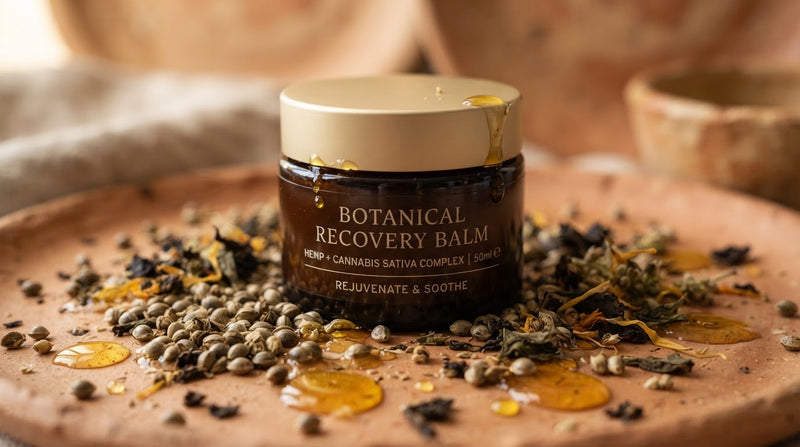
Hemp seed oil is used in skincare, haircare and personal-care formulations because of its fatty acid content and moisturising properties. It helps nourish the skin, maintain hydration and condition the hair.
What to Check on a Hemp Product Label
01
Hemp and Marijuana are same?
Hemp and high-THC cannabis belong to the same plant group, but the terms describe materials with different THC levels, uses and regulatory treatment.
02
All Hemp Contains CBD?
Hemp seed oil, hemp fibre and CBD extracts are different ingredients. A product labelled “hemp” does not automatically contain CBD.
03
Is Hemp Medicine?
A product containing hemp is not automatically a medicine or a treatment. Its category and permitted claims depend on its ingredients and applicable regulations.
Frequently Answered Inquiries
Hemp is a name commonly used for varieties of Cannabis sativa cultivated for uses such as seeds, food, fibre and materials. The exact definition of hemp can vary between countries and regulations.
Hemp comes from the Cannabis plant group, so the terms are related. “Hemp” usually describes cannabis cultivated for low THC and practical uses such as seeds and fibre; it is not a separate plant genus.
The terms are commonly used to distinguish cannabis materials by factors such as THC content, cultivation and intended use. They are not two unrelated plants, and the legal definition of hemp depends on the jurisdiction. For example, the US uses a 0.3% THC threshold; that should not be assumed to define hemp under Indian rules.
Hemp may contain THC, but hemp varieties are generally cultivated for low THC rather than intoxicating effects. The amount depends on the plant material and product, so the word “hemp” alone does not describe a product’s exact composition.
No. Hemp refers to the plant or plant material; CBD, or cannabidiol, is one compound that can occur in cannabis. Hemp seeds, hemp seed oil and CBD extracts are different ingredients and should not be treated as interchangeable.
Hemp seeds can be used in foods and processed into ingredients such as seed oil, flour and protein. Stalk fibres can be used for textiles, yarn, rope and paper, while the woody inner stalk, called hurd, can be used in some materials and construction products.
Hemp seeds provide plant protein, unsaturated fatty acids, dietary fibre and minerals. Their nutrient composition can vary by variety and processing, and nutritional value should not be taken as proof that a food treats or prevents a health condition.
The presence of hemp or a hemp-derived compound does not automatically make a product a medicine or establish that it can treat a condition. Evidence depends on the specific ingredient and use; be cautious of products making unsupported cure or treatment claims.
There is no single rule that makes every hemp-derived product legal or treats every product the same way. India’s NDPS Act includes a provision for government-authorised cannabis cultivation for specified industrial purposes, while hemp seed foods are covered by FSSAI standards. Requirements depend on the plant material, product category and applicable permissions.
Hemp seeds and certain seed products including hemp seed oil and hemp seed flour, can be sold as food when they comply with applicable FSSAI standards and licensing requirements. Those standards set limits for THC and CBD in hemp seed foods, so they should not be assumed to apply to every hemp-derived product category.